Shipping routes are the roads on the big, big ocean. They tell ships where to go to deliver things, such as toys, clothes and food, all over the world. These are very important routes through which ships can travel safely and quickly to different places. Let’s go on a journey to discover shipping routes and how they operate!
There are so many shipping routes in all the world! Some of those routes go to big cities, like New York and Tokyo; others for small islands in the Pacific Ocean. What is the longest shipping route in the world? Or in other words, from east coast U.S.A. to Asia and back is known as great circle route. Ships use this route to cut time and save on fuel so they can deliver things faster.
One of the world's most heavily travelled shipping lanes is the one connecting Asia with Europe. Thousands of ships ply the passage each day, carrying electronics, cars and clothes themselves. Another busy passage is between North and South America, where the ships send goods like fruits, vegetables and machinery. These busy pathways help people all over the planet get the stuff they need.
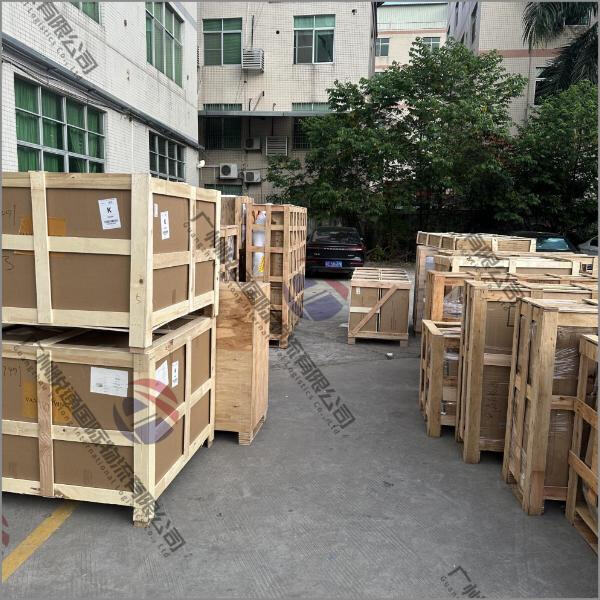
The routes are important to trading, that is, buying and selling things between countries. By using them, ships are able to deliver goods quickly and at a more competitive cost. This helps companies make more money, and it allows people to buy things from far-off places. Shipping routes aslo provide jobs for those who work on ships and in ports, which also strengthens the economy.
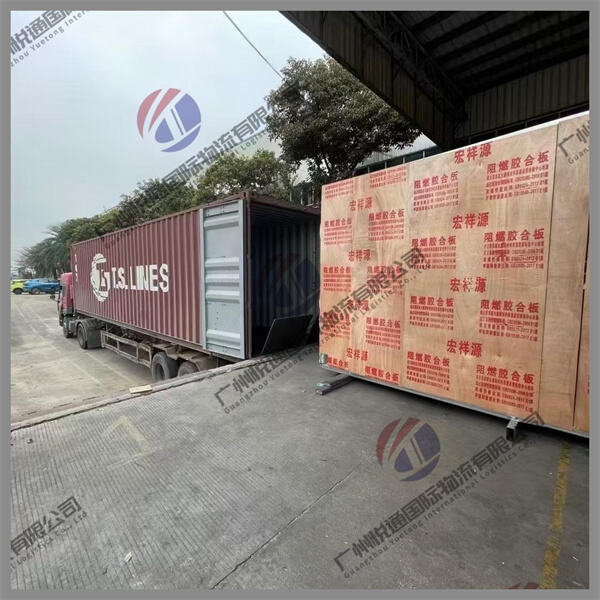
Shipping lanes or routes have evolved over time. Ships used to take months to travel long distances. But ships now have a wide array of technology to help them sail the world’s oceans with greater ease. Some ships also run on green energy sources, like solar and wind power, and are more environmentally friendly. With advances in technology, shipping routes will only be faster and more efficient.
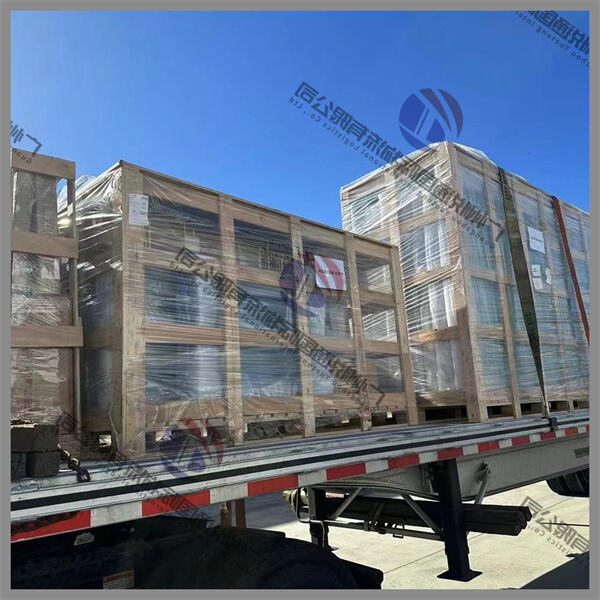
To optimize shipping routes, companies like Yuetong are discovering how to make them work better. They are now using larger ships capable of carrying more freight in a single voyage, which reduces the number of ships required on the ocean. Yuetong also puts emphasis on environmentally friendly measures such as using biofuels and gas-emission reduction to help preserve the environment. By streamlining shipping routes and making them more sustainable, companies like Yuetong can help make the world a better place for all of us.
Established in 2000 with state approval, we are a fully certified international freight forwarder and an authorized partner of DHL and DPEX, offering legally compliant and reliable end-to-end logistics services.
We work directly with global carriers like TNT, UPS, and FedEx, eliminating middlemen to secure competitive rates, optimize routes, and reduce customer logistics costs by over 30% while ensuring faster delivery times.
Our EDI paperless customs system enables real-time tracking, dynamic data exchange with customs and carriers, and proactive anomaly handling—ensuring full transparency, speed, and reliability throughout the shipment process.
With a global network covering major ports and countries, we provide integrated air freight, ocean freight, express delivery, multimodal transport, customs clearance, and warehousing services for seamless, door-to-door logistics solutions.
Copyright © Guangzhou Yuetong International Logistics Co., Ltd All Rights Reserved — Privacy Policy — Blog
 EN
EN