 EN
EN

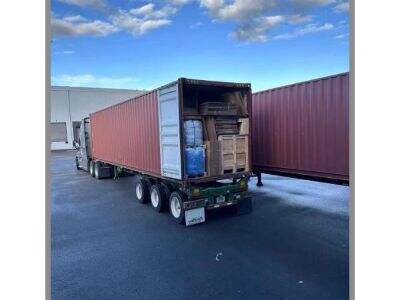
It is quite essential that in case your products are transported in a cargo container, you have to keep them safe. Be it crates of small size or large Pallets, make sure that the goods of your delivery do not move about, otherwise it could lead to breakage and loss. We know how hard it is at Yuetong, when we have to guard the products against long voyages at sea or on land. The container is sort of a jumping box bouncing and tilting and shaking, unless you pack the stuff inside the container correctly, it may break. That is why it needs proper packing and a bit of astute fixing, as well. This is how to do this 100 per cent and keep your shipment coming the way you sent it.
How to Protect Items in Containers for Wholesale Shipping?
Dumping in some boxes is not the case when it comes to securing the cargo inside a container. The danger of the weight not being distributed evenly is the first to guard against. Imagine that you put all the heavy stuff on one side of the container it will tip the container or it will crush together. You can pack the heavy things at the bottom and the light things on the top at Yuetong, where we recommend this. This prevents squashing. Also apply powerful straps or ropes in order to secure the goods. These straps ought to be solid enough to restrict the movement and not tight to the extent that the boxes and goods are crushed by the straps. Sometimes people, neglect to fill the empty gaps between things. It is in these spaces that things move and bang against each other resulting in scratches or fractures. The foam blocks, the airbags, or wooden planks forced inside the cavities assist in making everything stay in place. As an example, it is advisable to put foam around glass bottles and make sure things are strapped up should you be carrying glass bottles just in case the shock might occur. The other trick is to place the corners in a row in order to pile boxes in such a way that the load balances itself. Do not stack it up lopsidedly, or allow it to go down. Check also ensure before loading the container that the base is dry and soil free. Moisture can spoil some goods, or because of dirt, can make some goods slip. Clean floors are safer. And, finally, it is essential to make sure that the container door is tightly closed and sealed to avoid water and dust ingress during transportation. A client complained that their shipment had moved in a wrong position due to the failure of the straps to be tightened appropriately. That taught us the value of being extra careful about tightness. Securing is somewhat work, but it will save money and headaches in the future.
What are Some of the Best Tips to Avert Damages while hauling Cargo Container?
Cargo can easily be damaged in a variety of ways as it is packed into a container. Shocking the highway, sudden halts or choppy water are plenty of jostling to the contents. To prevent the damage, begin with the packaging. Good tape or taped bags and strong boxes provide a better way of protection as compared to poor packaging. And remember the additional cushioning of either bubble wrap or paper when delicate items need to be wrapped. This is the mischief which we often find at Yuetong when individuals fail to accomplish this step. Then, ⁻ pick the right kind of a air cargo from china on your cargo. On some containers, the floor or wall may be reinforced to provide strength in the event of heavy or frail cargo. Another thing to remember is please check the pot before loading. Holes or broken locks are used to get water or bugs in and ruin the products. It is absurd; air, as well as anything else possessing a temperature, must have space in which to wiggle. Unless that were not the case, there would not be movie screens so small in the airplanes that people would chill planes instead of overheat! And now and then we forget that it matters how hot or cool it is in the container. When you are shipping such items as food or electronics, it will be damaged by changes in temperature. Things can go south as refrigerated containers or insulation help to keep things cold. Another method is not to overload. One having excessive contents will compress products or may not be safe to carry. Less load, however, and goods will be bumped about. Load appropriate inventories and load them. When loading, place goods such that they do not strike the sides of the container since this may cause dents or breakages. And remember too that various forms of transit, truck, ship, train, and others disturn things in their own way. All those can be anticipated to help secure the shipment. And lastly, we recommend at Yuetong to examine the cargo as frequently as may be within the course. Anything can be prevented to move or get spoilt early, thus avoiding any inconvenience during delivery. The process of goods protection goes beyond packing and consists of the whole journey. This might look like an additional effort, but it would be rewarded with the safe reception of products.
Selecting the Ideal Packing Materials for Safe Cargo Container Shipping
In case you have to transport things through the freight stored in a cargo container it is important that the appropriate packing material is employed. Proper packaging will make sure your goods arrive safe in the long road. What we recommend to all people at Yuetong is to use the strong and long lasting material as far as safeguarding of your goods is concerned. To start with, think of what you are sending. It is a phenomenon that a moving object will keep on moving unless something is done to it by an external party which does not work so well when moving glass, electronic or anything that is delicate. In the case of heavier items, it would be a good idea to use durable boxes or wooden crates that cannot be crushed. Second, when you are using tapes to close up your boxes, you need to always use good quality tapes and close up those cardboard flaps. This helps to avoid the opening of the boxes in transit. Another device that can be of use is plastic wrap. It is also good to keep out moisture and dust which spoils your goods. You also have to label your packages.
Loading Goods Into a Cargo Container
It seems that loading products into the cargo container is a simple task, however, numerous mistakes are usually done that makes your shipment insecure. This has been the case at Yuetong where we have seen a lot of ridiculous errors getting into loss or destruction. Packing of the cargo is one of the biggest mistakes. Heavy products placed above the light ones can breakdown the light goods. Heavy goods on the bottom and light on top. In this manner all is held in check-and-safety. The other mistake is failure to tamp down the holes within the container. When there are no objects in the surrounding the objects can be moved around to a large extent as the container is moved or picked up. This may result in scratches, dents or even a breakdown. To prevent this pad outs all round with dunnage or other stuff, and get everything fast. The container is also sometimes overloaded by people. You will get the impression of being economical with the idea of stuffing as many items in there as possible, but you will find it harder to load and unload stuff in it with the fill-er up full attitude, and you are more likely to cause damage. Overloaded containers are also dangerous to transport. Keep in mind that it is important to check on weight limits and follow that rule strictly. The other error is to forget to consider the doors and the vents of a container. Blocked door or air vents When goods are blocking the front door or air vents, it may cause difficulty in opening it and dampness may deposit inside. Ensure that the container is packed in such a way that the doors will open easily and air can be able to circulate in case it is needed. Lastly, other people do not inspect the state of the container prior to loading. Holes, rust or broken locks of a cargo container can render the goods unsafe. Yuetong inspects the containers before usage, to clean and make sure they are strong. Avoiding such errors would allow you to keep your cargo safe and make shipping a success.
Using Cargo Straps and Dunnage to Secure Wholesale Products in Containers
After packing your goods and placing them in the cargo container, the second thing is to keep them safely so that they do not shift or be damaged. It is a good plan, to do with cargo straps and dunnage, and Yuetong can assist you on the way. What are cargo straps made of? Cargo belts are strong belts produced using nylon and polyester. The ones encircle your boxes or crates and cling to them. Pull them tight and you won’t have your goods rolling over when you are in transit. Also, one should remember that there should be a sufficient number of straps depending on the size and weight of the package. There will be insufficient straps and contents sliding around and excessive ones will consume time and energy. Dunnage is what surrounds your cargo in the cargo shipping cost so as to fill the unoccupied areas. One can build it using wood blocks, or air bags or foam pieces.
Table of Contents
- How to Protect Items in Containers for Wholesale Shipping?
- What are Some of the Best Tips to Avert Damages while hauling Cargo Container?
- Selecting the Ideal Packing Materials for Safe Cargo Container Shipping
- Loading Goods Into a Cargo Container
- Using Cargo Straps and Dunnage to Secure Wholesale Products in Containers