 EN
EN

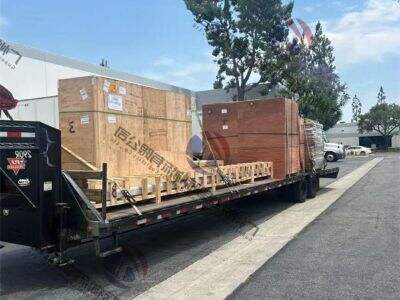
Ny fitaterana entana any amin’ny ranomasimbe dia fomba lehibe hanondroana entana manerana izao tontolo izao. Ao amin’i Yuetong, dia mampifandray orinasa manerana izao tontolo izao isika ary manondroana entana avy any amin’ny toerana iray mankany toerana hafa amin’ny sambo. Afaka mifanohitra amin’ny lalana maro samihafa ny sambo, ary ny tsy hafa tsy misy fotoana miteny ho azy. Zava-dehibe izany ho an’ny orinasa mila ny hanatontosana ny entanany na ho very haingana. Ny fahatakarana ny lalana samihafa amin’ny fitaterana sambo sy ny fotoana izay ilainy dia hanampy ny orinasa hanao safidy marina momba ny fitaterana. Hahita ny vaovao tiana ianao momba ny lalana samihafa amin’ny fitaterana sambo isika, ary hanazava an’iady ny fotoana fitsidihana mety indrindra arakaraka ny fangatahanao ianao.
Ny Lafa Hitan'ny Fikambana?
Raha manatontolo entana amin’ny ranomandry ianao, dia ilaina ny fahalalana momba ny karazana lalantsaran-dranomandry. Misy tsirairay izay maharitra sy mihena kokoa, fa misy hafa kosa izay fohy kokoa ary haingana kokoa. Ohatra, ny sambo iray mandalo any Kina ka any Etazonia dia mety mizotra eo amin’ny 15 ka hatramin’ny 30 andro arakaraka ny lalantsaran-dalan’ny sambo sy ny toe-javatra anelanelana. Efa misy rafitra lehibe roa na maro any amin’ny tany, toy ny Kanala Suez ho an’ny fifanarahany eo amin’i Eoropa sy Azia na ny Kanala Panama ho an’ny lalantsaran-dalan’ny sambo eo amin’ny moramora sy morafeno avaratra sy atsimon’i Etazonia. Ny sisafoin’ny orinasa momba ireo lalantsara lehibe ireo, dia afaka mamolavola tsara kokoa ny famatsiahin’izy ireo.
Ny karazana entana ampidirina dia zavatra hafa izay mila heverina. Ny hafa kosa dia matanjaka kokoa ary mila fitsidihana manokana rehefa ampidirina. Ohatra, ny zavatra tsy maintsy azo amin’ny fahazavana, toy ny voankazo sy ny voankazo mavitrika, dia tsy maintsy miaraka amin’ny haizavana iray. Izany hoe, ny lalana fitsidihana dia mety mila heverina ny toe-javatra tsara indrindra mba hanatontosana ireo entana ireo. Ny lalana hafa kosa dia mety manana vidim-panjakan’ny hafa. Matetika, ny fifandriana fohy kokoa dia mah expensive noho ny miverimberina satria misy saran’ny varotra na ny saran’ny orona.
Ny raharaha koa dia zava-dehibe iray horeferenana momba ny fotoana fahatongavana. Azon’ny sambo atsakalozina ny famerana, ary raha matahotra ny ranomasina, dia mety hisy fanovana ny lalana. Izay antony no ilàna ny fahalavihana momba ny raharaha alohan’ny handefasanana. Ao Yuetong, dia jerena tsirairay ireo zava-baovao ireo mba hanampiana ny mpanjifa antsika hifidiana ny lalana tsara indrindra ho an’ny fandefasana azy ireo. Mba tsy hatongilana ianao ary afaka mamorona ny rafitrafomban-dalànao ianao.
Fidio ny Fotoana Famaranana Mety ho an’ny Tahirin-tsirairayo
Ny fotoana malalaka indrindra ho an'ny fitsidihana ranomasina dia atao amin'ny alàlan'ny fitsidihana ny fanisana samy hafa. Voalohany, dia diniho ny handroahanao ny zavatra iainao. Raha tsy maintsy mila any toerana ianao haingana, dia mety hanampy vola fanampin'izay ho an'ny lalana haingana kokoa ianao. Ohatra, raha mandefa famantarana fialamboly ianao dia tsara raha hanomboka aloha ny asa mba hanamorana ny hanatontosana azy ireo on time.
Avy eo amin'izay, dia diniho ny taham-panjakan'ny volanao. Misy matetika fahasavingana amin'ny vola raha lavitra ny fotoana fitsidihana. Raha tsy manahy ianao, dia afaka mifidy ny lalana maharitra kokoa saingy tsy beonitra kokoa ianao. Izao dia mety manan-danja ho an'ny orinasa mandefa vokatra marobe.
Avy eo iavian'ny zavatra izay amidy aminao dia tena ilaina. Ny singa hafa dia mila fitsidihana manokana na tontolo mampiavaka. Ohatra, raha nametraha fitaovana ianao dia mety tsy tahaka ny fotoana lehibe toy ny hanaterana ny hanakana. Raha mahalala ny karazana fanaterana izay ampidirinao ianao, dia mety hanampy anao hahalala ny faharetanareo amin’ny fotoana fandaniana.
Farany - ny fifandraisan’ana amin’ny mpampandeha anao dia zava-dehibe indrindra. Ao amin’Yuetong, dia mifototra amin’ny fangatahana ny mpanjifa izahay. Manome vaovao momba ny fotoana hanaterana sy raha misy fihoarana izay hitranga izahay. Mety tsara kokoa ny mahalala, ka mandika ny decision rationnel sy handanjalanjana ny fifanarahany. Na manana zavatra tokony hotaterina haingana ianao na afaka miandry safidy ambany vidy, ny famakiana ny safidy rehetra dia hanampy anao hahalala ny fotoana fitsidihana tsara indrindra ho an’ny hanaterana any amin’ny ranomasimbe.
Torolàlana ho an’ny Mpivarotra Iraisam-pirenena
Misy karazana asa maro ho an'ny mpivarotra manokana momba ny fitsidihana entana any amin’ny ranomasimbe. Ao amin’Yuetong, dia amparan-tsainay izao dingana izao. Nefa aloha, mbola tsy mbola afaka mametra-pitsidihana miaraka amin’ny rakitra Google Pay na RailTel sy ny orinasa, dia zava-dehibe ny mahatakatra hoe inona no fitsidihana ranomasina. Ny fitsidihana ranomasina dia ny famakiana entana be loatra amin’alàlan’ny sambo iray. Matetika dia latsaky ny vidin’ny fitsidihana amin’ny habakabaka, nefa dia ela kokoa ihany koa. Ho an’ny mpivarotra manokana, ny fanontaniana voalohany dia avy aiza ny entana, ary any aiza no hivoatry ny entana. Miova sela ny fotoana ho an’ny lalantsaran-tserasera samihafa. Ohatra, ny fitsidihana avy any Shina ka hatrany Etazonia dia mety ilana andro 20 ka hatramin’ny 30, arakaraka ny toerana manokana sy faranana sy ny hafainganana mihetsi-mandeha an’ny sambo.
Avy eo iaviany, ny orinasa fitaterana tokony tena zava-dehibe. Momba ny Yuetong Eny amin’ny Yuetong, dia minava fa ny traikefina sy ny fahononana dia fototry ny tetikasa. Tena te-hiasa amin’ny orinasa izay manana hevitra tsara ianao ary mahalala ny lalàna momba ny fitaterana. Ny firenena tsirairay dia manana lalàna momba ny famantarana manokana ary tsy maintsy fantatrao izay azo antenaina sy tsy azo antenaina. Ohatra, ny firenena sasany dia manana lalàna mandainga momba ny zava-pisotro na ny fitaovana elektronika. Rehefa nahita orinasa iray hampiasanao hanaterana ianao dia dia mila heverinao ny fahazoan’andro. Na dia maharitra aza ny fitaterana, dia mety hisy tsy fahazoan’andro. Ny fahazoan’andro dia afaka manampy anao raha misy olana amin’ny famandrikao.
Farany, rehefa mitaterana zavatra ianao, dia tsy maintsy fantatrao daholo ny zava-dratsiny. Ireo karazana hetsy toy izany dia ahitana ny baokala, dokam-barotra sy nomeraon’ny fanaraha-maso. Ny fihenjanana dia hanamorana fa fantatrao tokoa ny toerana misy ny zavatra iavianao. Mampiahiahy Yuetong ny fanaraha-maso, ka fantatrao mandritra ny fotoana rehetra ny toerana misy ny zavatra iavianao. Amin’ny famaranana, ny mpitaterana amin’ny vondrona dia tsy maintsy fantatra fanomezana ny hariva , safidio ny orinasa fitaterana tsara indrindra, hahay bebe kokoa momba ny fitaziana ary mihevitra mihenjanana raha te-hahazo traikefa mahavita izy ireo amin’ny fitaterana.
Inona no tokony heverina rehefa mamandrika fitaterana amin’ny rano?
Mampianatra zava-pisotro be ianao rehefa mambohana ny hanatontosana an’ny zavatra ho atao amin’ny rano. Tokony hamerina mialoha ny karazana zavatra ampiharanao. Ny toetra sy ny karazana ny entana dia mety miova endrika ny fomba fametrahana sy handefa azy. Ohatra, ny zavatra mahabe tiana toy ny savoka dia mila fametrahana mahamaina mba hahazo tsy hisakana. Handehanay mampiasa baola sy fitaovana fametrahana izay mahafeno ny hanadiovana ny vokatrareo miaraka amin’i Yuetong. Ny fototry ny vokatrao no manomboka ny hanatontosana azo antoka.
Avy eo amin’izany dia ny fotoana no ilaintsika heverina. Satria maharitra be noho ny fandefasana zavatra any amin’ny rano noho ny lanitra, dia mila mametra-pahazoana ianao. Raha ilàna haingana ny vokatrareo, dia mety ho tsara kokoa ny fitaterana amin’ny lanitra. Kanefa raha tsy misy fitsidihana an’ia, dia mety ho latsaky ny vidin’ny fitaterana any amin’ny ranomasina. Heverio ny isan’andro handehanana ny zavatra nateronao. Izany dia ahitana ny fotoana handehana sy fametrahana, fotoana fijerana ary afaka any amin’ny toerana farany. Afaka hanampy anareo Yuetong mba hamakiana ny fotoana handehanana eo amin’ireo toerana ireo amin’ny alalan’ny làlam-bato.
Ny aspekt another dia ny vidim- fandaniana ivelany dia mahatala ny sarany, eny, saingy tsy maintsy ampidirinao amin’ny baikoana anefa izao. Azafady dia azo antoka fa napetraka ny vidin’ny zava-pisotro, ny fandrika sy ny tombontsoan’ny orinasa. Te-hahazo antoka fa tsy hisy zava-benitra (toy ny saram-panampiana) izay tsy voatokana. Yuetong dia mamerina ny vidiny mba hahatao izay ampiarahinao. Farany, azo antoka fa mifandraisa tsara amin’ny ekipanareo sy ny mpanjifa. Haboraro azy ireo rehefa afaka handalo ny entana. Ny fifandraisan’ny maha-izy tsotra sy tsy miova dia manamorona rehetra.
Ahoana no ahafantarana fa ny mpampiditra an’ny rano dia mamerina kalitaon’ny hanatanteraka ny fanompoam-bola sy ny hanompoam-bola?
Ny kalitaon’ny fanompoam-bola sy ny hanompoam-bola dia tena zava-dehibe ho an’ny fahombiazana. Tamin’i Yuetong, dia mampiditra antsika hanome toky ambony vonjimaika any ranomasimbe fanompoana ny mpanjifa. Ny safidy voalohany dia ny namboarana asa fanaovana fiaramanidina amin'ny orinasa fanaterana mahamandro. Karoha ireo orinasa manana anaranana tsara sy fanompoana mpanjifa mahavito. Ny orinasa mahatoky dia hanatra ny entanao ary koa handefasana hany momba ny toe-javany. Yuetong no iraka tamin’ny taona maro tamin’ny orinasa famokarana sy fitantanana ny ekipa momba ny fanompoana ny mpanjifa.
Ny fitsidihana tsara dia zava-pisotro midadasika hafa amin'ny fanantenana ny kalite. Ny fomba fisakanao dia ny fomba hisianana ny zavatra. Ampiasào vatosoa tsara ary sakàfo indrindra ny zavatra. Ny sarimiaina tsotra eo amin'ny sakafo dia tena ilàna. Izany dia hanampy ny mpiasa hahatakatra ny fomba handalanana azy, ka azo ridina ny mety ho vitana. Tamin’i Yuetong, dia mamerina ny torohevitra momba ny fanaovana sakafo mba antenaina fa tsy hisy nafana ny zavatrao mandritra ny fifanarahana.
Ankoatra izay, aza hadino ny handika ny zavatrao alohan'ny fanaterana. Hamonjy fa marary daholo sy mahafinaritra ny endriny daholo ny zava-misy rehetra. Raha mampiditra sakafo na zavatra hafa mila fandrika ny haavony sy ny hery mimetraka dia dia hamonjy fa vitsy be ny fisotroana natao teo alohan'ny fanaterana. Farany, dia tena ifandraisan'ny maha-mpitaterana anao ianao. Ny fifandraisan'ny matetika amin’ny mpitaterana dia mety hanampy anao hanavotra olana tsy hisian’ny fotoana maneran-tany. Rehefa misy fiakarana na olana, ny fifandraisana dia afaka hanampiana anao hanavotra ny toe-javatra haingana. Mialoha am-pahombiazana isika @ Yuetong mba hanampiana anao hanararaotra ny kaliteho amin’ny alàlan’ny fanaterana rehetra.
Vahaoliny alalan'ny toerana
- Ny Lafa Hitan'ny Fikambana?
- Fidio ny Fotoana Famaranana Mety ho an’ny Tahirin-tsirairayo
- Torolàlana ho an’ny Mpivarotra Iraisam-pirenena
- Inona no tokony heverina rehefa mamandrika fitaterana amin’ny rano?
- Ahoana no ahafantarana fa ny mpampiditra an’ny rano dia mamerina kalitaon’ny hanatanteraka ny fanompoam-bola sy ny hanompoam-bola?